When Horror Walks Into the Opera House
by Avery Anderson
Who would have thought a Stephen King novel would end up at the opera — not as a gimmick, not as camp, but as something deeply human?
And yet here we are.
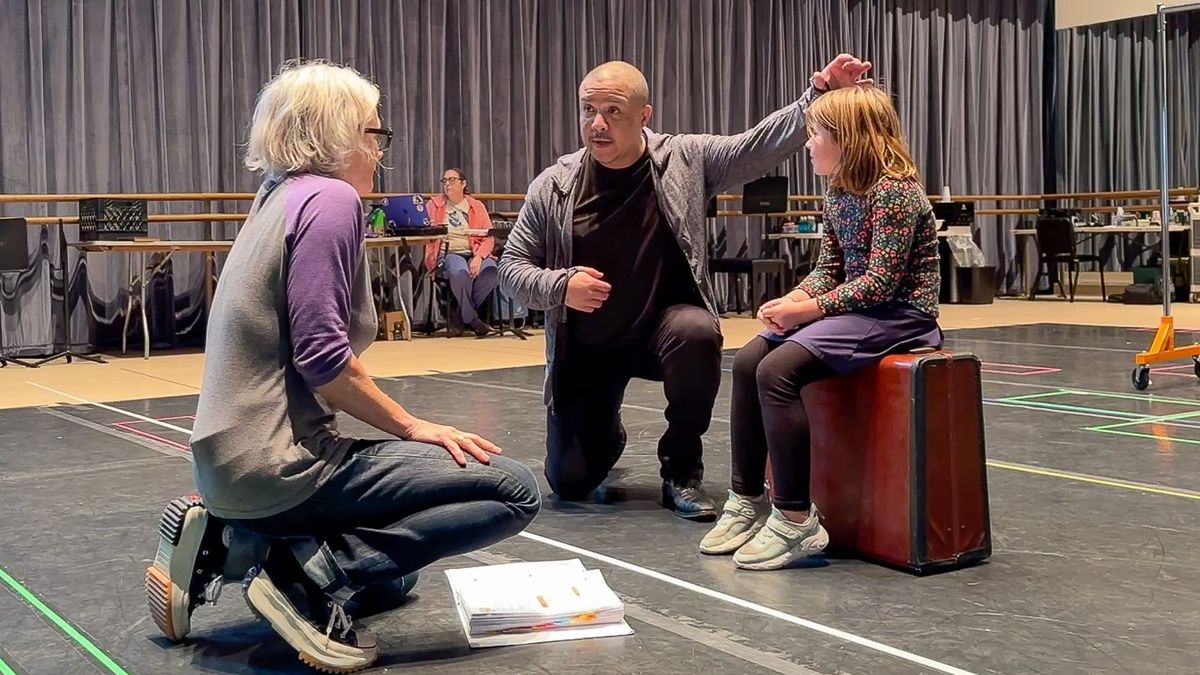
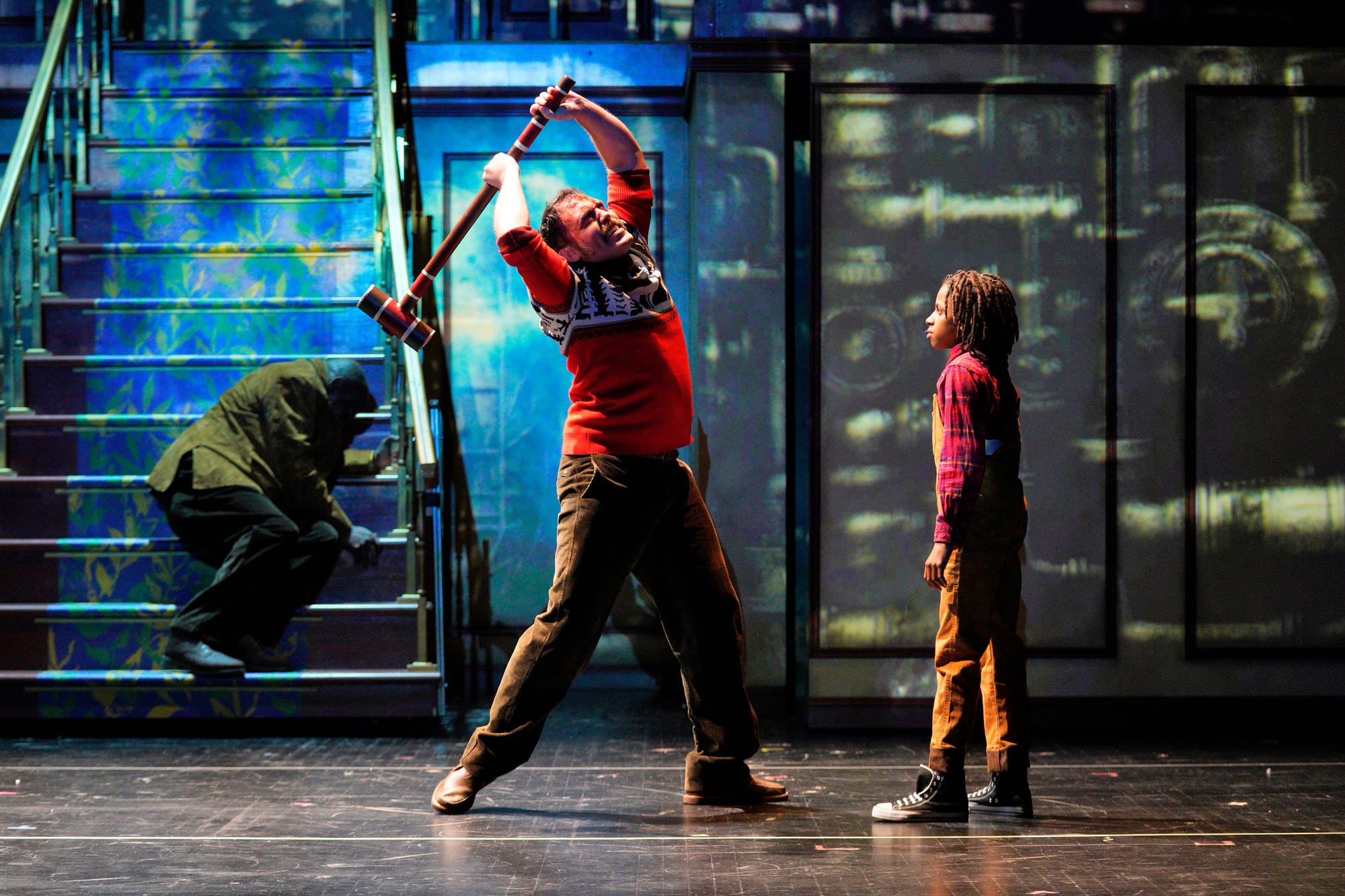
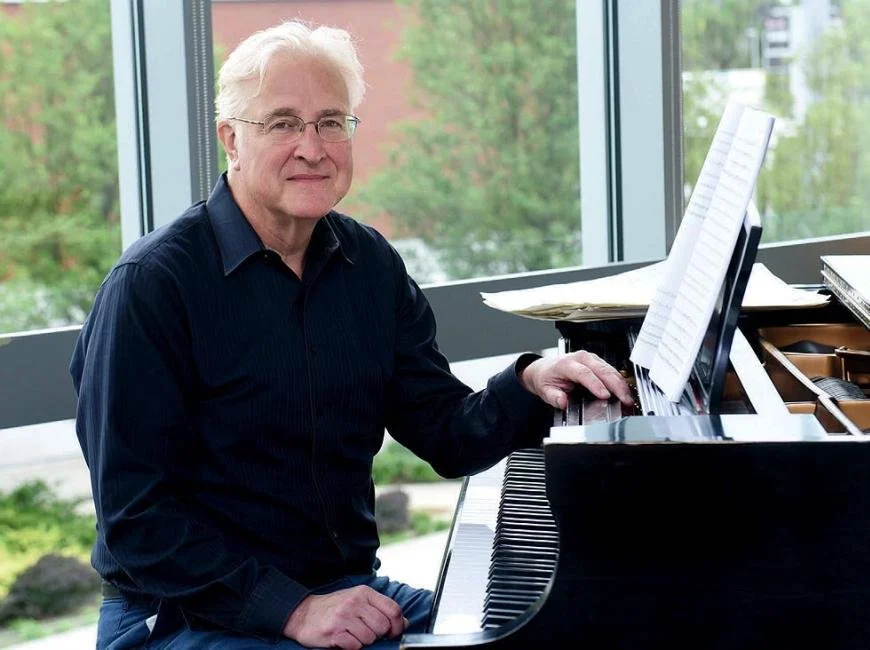
This season, Opera Tampa is staging The Shining, a two-act opera by Pulitzer Prize–winning composer Paul Moravec and librettist Mark Campbell, conducted by Rolando Salazar and featuring The Florida Orchestra at the Straz Center.
Yes — that The Shining.
But before you picture blood elevators or Jack Nicholson’s manic grin, Moravec wants to be very clear about one thing.
“We have adapted the book and not the Stanley Kubrick film,” he said. “And actually, the book is more operatic than the film.”
That distinction matters. A lot.
Why The Shining Works as Opera
Opera, Moravec explains, always circles the same gravitational forces: love, death, and power — specifically who has it, who wants it, and what happens when it slips.
Stephen King’s novel, he says, has all three “on steroids.”
“It’s very dramatic. It’s very operatic,” Moravec said. “It’s about high emotion. It’s about ordinary people caught up in extraordinary circumstances.”
At the center is Jack Torrance, a character Moravec views not as a monster but as a man under impossible pressure.
“I think of Jack Torrance as basically a decent guy trying to do the right thing,” he said. “But he has two different agendas placed on him. One is to love his family and protect them. And the other… is to kill them.”
That internal collision — love versus violence, duty versus destruction — is the kind of psychological knife-edge opera thrives on.
And crucially, Moravec isn’t interested in spectacle for spectacle’s sake.
“If it fails as theatre, then it fails,” he said. “The composer has to change things to make it work.”

Not an Opera for Opera People
One of the quiet revolutions of The Shining is who it brings into the room.
Moravec has seen it happen again and again since the opera premiered at Minnesota Opera in 2016.
“There are lots of folks who don’t even know what an opera is,” he said. “They’re not coming to see me. They’re coming to see The Shining.”
And then something unexpected happens.
“They forget they’re watching an opera,” Moravec said. “They’re so involved with the story and the characters and the emotions and the drama — that’s all they can think about.”
This is not an opera that asks you to admire technique from a distance. It wants you inside the story, following the emotional logic even if you don’t know a recitative from a ravioli.
Moravec puts it plainly:
“Just think of this as a show.”
A Different Ending — and Why It Matters
One of Moravec’s favorite moments comes at the very end — and it hinges on a choice that separates King’s novel from Kubrick’s film.
In the movie, Dick Hallorann dies. In the book — and in the opera — he doesn’t.
“In the book, he emerges as the hero of the story,” Moravec said.
The opera closes with Hallorann singing to Danny about endurance and survival.
“After all of this madness and destruction,” Moravec said, “there’s this harmonic balance restored to the universe.”
It’s not just catharsis. It’s a recalibration.
What Moravec Hopes You Leave With
Asked what he hopes audiences carry with them after the final note, Moravec doesn’t reach for grand philosophy.
“I hope they had a good time,” he said. “That it was a satisfying experience.”
Art doesn’t always need to lecture. Sometimes it just needs to land.
“Everybody’s going to take away something different,” he said. “And that’s okay.”
Or, as Moravec joked near the end of the conversation — perhaps the most operatic truth of all:
“All work and no play makes Jack a dull boy.”
If You Go
The Shining, Jan 30 and Feb 1
Presented by Opera Tampa
Featuring The Florida Orchestra
📍 Straz Center for the Performing Arts
🎭 Two-act opera by Paul Moravec & Mark Campbell