
Why We Can’t Let the Dancers Leave St. Pete
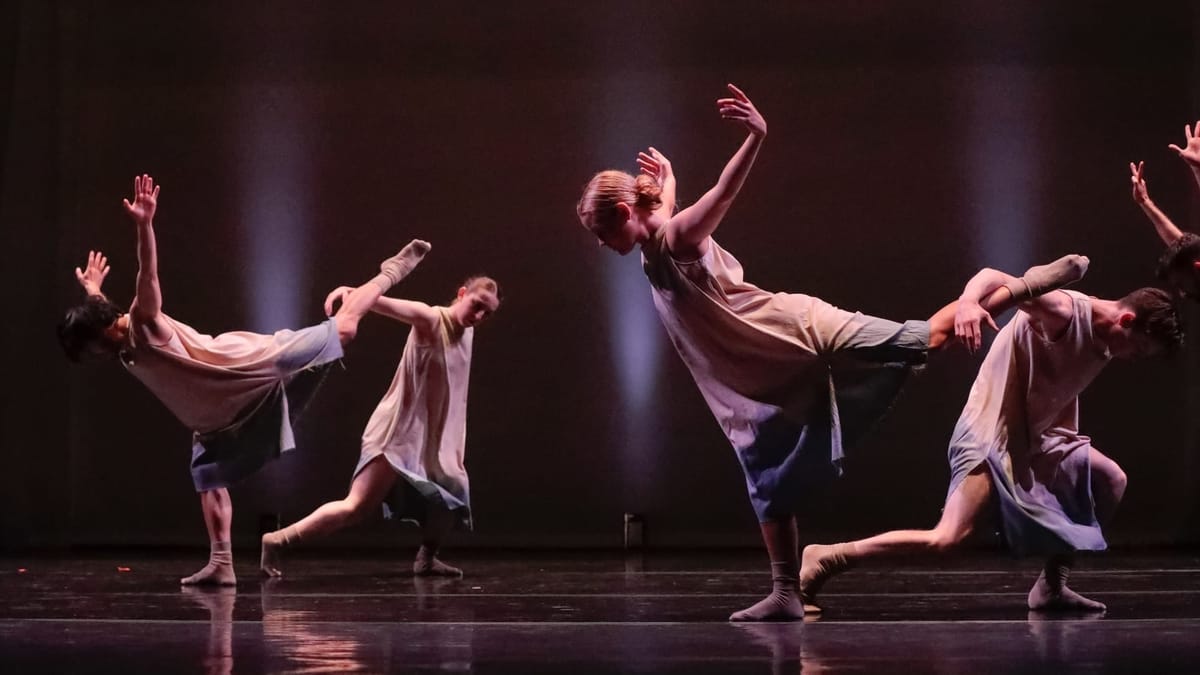
How a parking lot conversation turned into Beacon, a decade-long exercise in artistic trust and radical localism.
By Avery Anderson
If you spend enough time around the arts in St. Petersburg, you’ll eventually spot Helen French and Lauren Slone standing in a parking lot. It is their natural habitat. They might have just finished a rehearsal or a marathon production meeting at the Palladium, but the "real" work—the dreaming, the logistical tetris, the stubborn refusal to let a good idea die—happens on asphalt after the doors have locked.
"Be careful if you see us in a parking lot," French says with a laugh. "You’ll get another festival out of us."
Eleven years ago, that’s exactly what happened. The two St. Pete natives, both of whom had fled the region to find professional dance careers elsewhere, found themselves back home, standing outside the University of South Florida after adjudicating a student showcase. The conversation was born of a shared, sharp frustration: Where were these students supposed to go?
At the time, the "narrative" for a talented dancer in Florida was a one-way ticket to New York or Chicago. Staying home was seen as a "dabbling life."
 Avery Anderson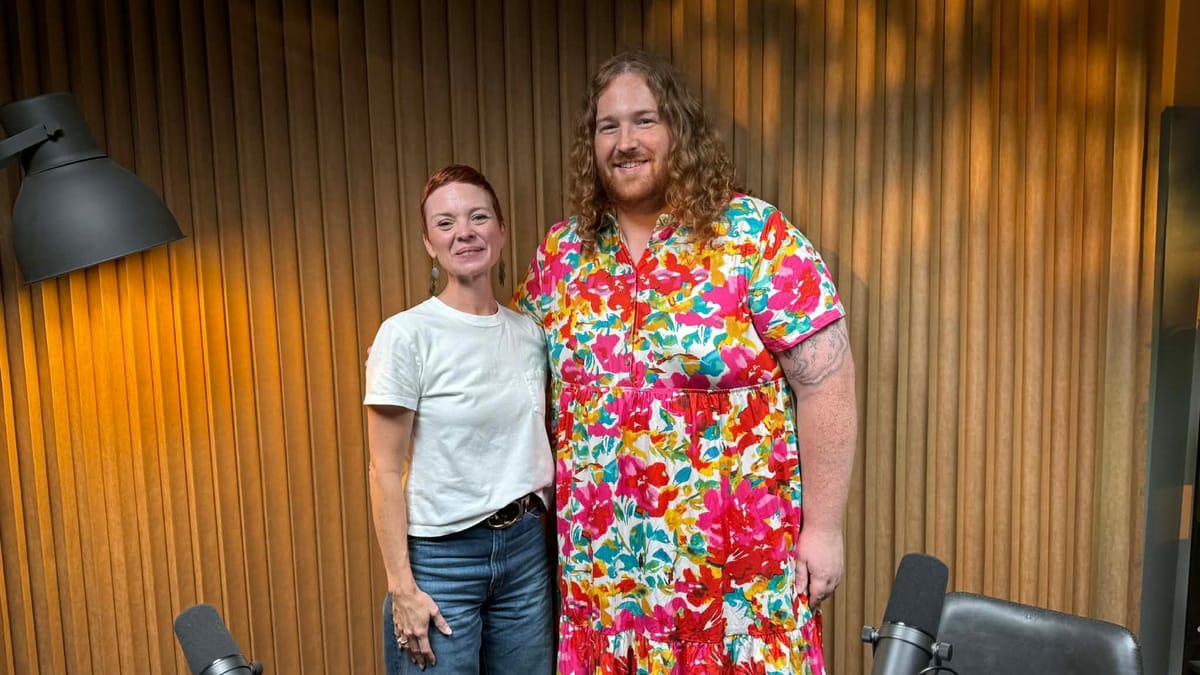
"We both started to talk about how we felt at the time that we had to leave," Slone recalls. "There was no possibility of being an artist and staying in our hometown. We sensed that there was no infrastructure to sort of build a life as an artist, as a performing artist specifically, and even more so as a dancer."
They decided to build the infrastructure themselves. They called it Beacon.
The Anti-Ball Gown Ethos
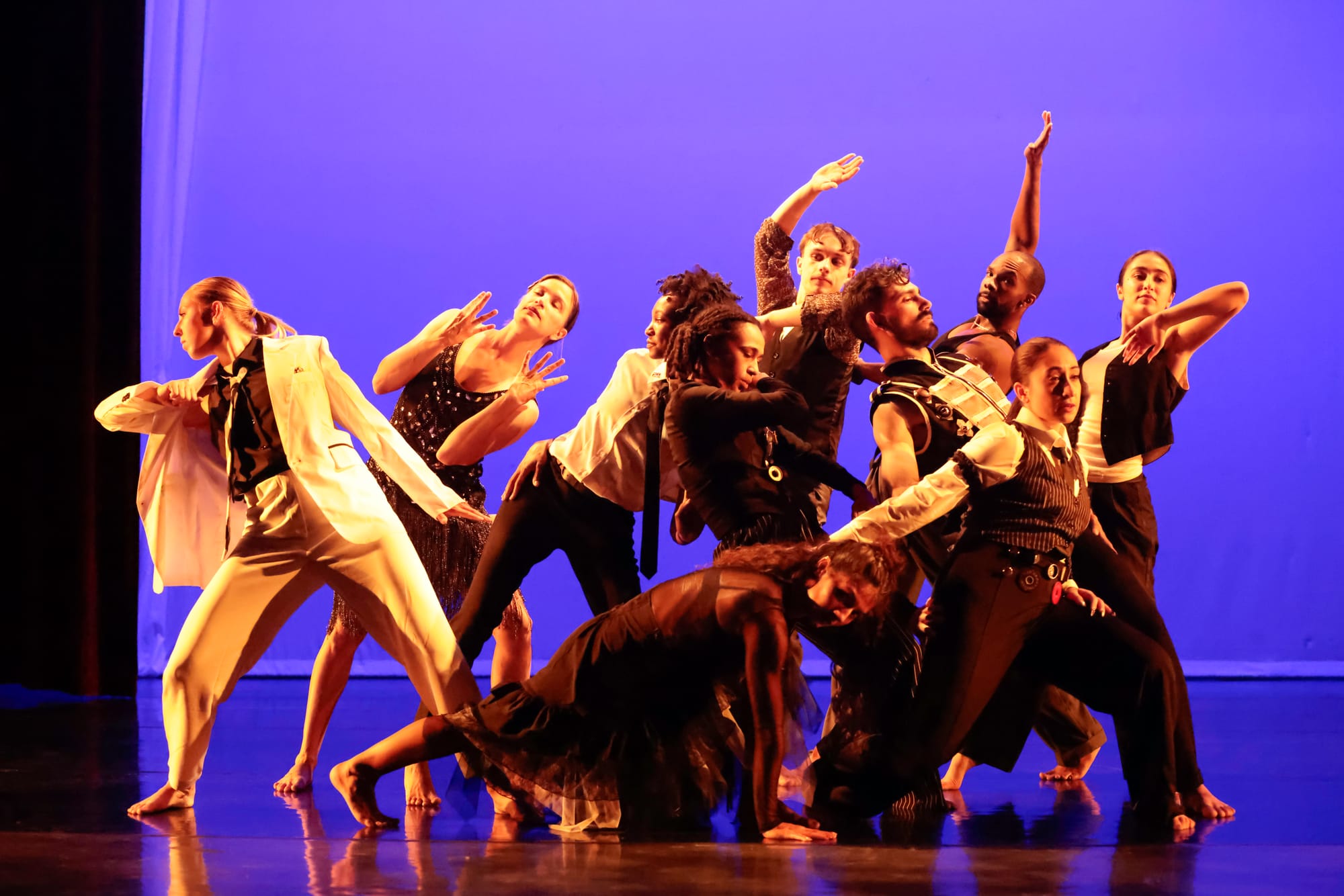
On Friday, March 6, Beacon returns to the Palladium for its 11th season. On paper, it is a contemporary dance concert featuring over 30 artists and 11 original works. In practice, it is a high-octane family reunion that rejects the stiff, silent formalities of the traditional theater.
If you are expecting a "shushing" usher and a required evening gown, you’ve come to the wrong place.
"We’re sort of anti-that," Slone says. "You can wear the outfit you want to wear. You can actually sort of be a human and interact with the space instead of feeling like you have to quietly watch something."
French describes the atmosphere as a "huge hug from our community." It’s a space where the audience is encouraged to shout, move in their seats, and respond to the raw physicality on stage. This year’s program is a heavyweight lineup, including works by Madison Pineda Bender, Alexander Jones + projectALCHEMY, Sarah Walston Philips + ATLAS Modern Ballet, and a piece by the internationally acclaimed Peter Chu.
What makes Beacon an anomaly in the performing arts world isn't just the talent; it’s the lack of an editorial thumb. French and Slone don’t "curate" in the traditional sense. They don't audition pieces or demand to see work-in-progress to ensure it meets a certain "standard."
"It is a trust-based process," Slone explains. "Helen and I haven’t seen all the work on the show. We have no idea. We will be as surprised as everyone else."
In an industry obsessed with perfectionism, Beacon is a sanctuary for the "raw." It’s a place where artists are given a professional stage, high-end lighting, and a paid week of work—and then told to do whatever they want.
"Performers are not going out there and saying, 'I really want to do a bad job tonight,'" French notes. "I find that when you’re inviting that way, people respond with the genuine generosity of an artistic spirit."
The Palladium Partnership
This level of radical trust requires a partner willing to hold the risk. For Beacon, that has always been Paul Wilburn and the team at the Palladium at SPC.
"There is no Beacon if there was not that relationship," says Slone. "Very often artists were having to spend a ton of money renting space, renting theaters. That was prohibitive. Our relationship with the Palladium... shows up financially in terms of holding the risk with us."
The Palladium’s Creative Fellowship program has become a feeder for Beacon, allowing local choreographers the breathing room to create without the looming threat of a rental invoice. It’s a symbiotic relationship that has anchored the series for over a decade.
However, a change is coming. With the Palladium scheduled to close for renovations next year, Beacon faces its first major hiatus from its home base.
Rather than panic, the co-founders are looking at the "fallow period" as a strategic necessity. French suggests a year focused on the "small bones"—the deep, slow process of creation that usually gets rushed in the scramble toward opening night. Slone sees it as a chance to clean up the "less sexy arts admin" side of things, ensuring Beacon can survive for another 30 to 50 years.
Why It Matters to "Joe Schmo"
It is easy to categorize a dance festival as a niche event for "arts people." But French and Slone argue that the health of the local dance scene is a bellwether for the health of the city itself.
"Why would you want [artists] to leave your community?" French asks. "I’m not going to be a mechanic, but my kid loves engines... I don't want him to move to Daytona to work on them. Why do you have to go somewhere else to be who you are?"
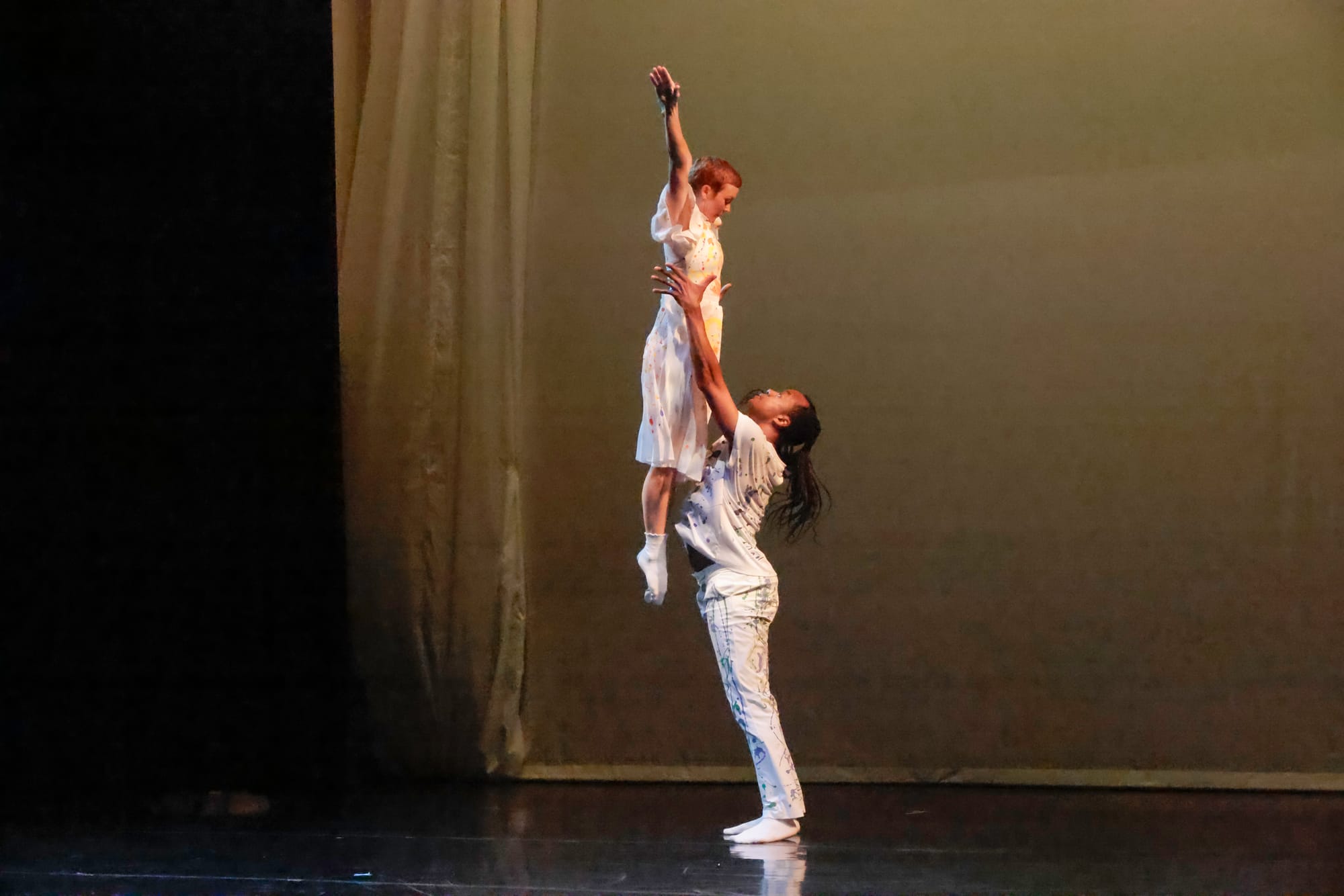
For the "Joe Schmo" sitting at home, Beacon is a reminder that St. Pete isn't just a place where things happen—it’s a place where things are made. By providing a reason for 34 artists to stay, rehearse, and collaborate here, Beacon keeps the city’s creative pulse from flatlining.
"We are championing dance specifically... because it has less loud advocacy," Slone says. "We speak very loudly for dance. We’re cheering it on."
When the curtain rises on March 6, it won’t just be a series of performances. It will be a decade-long argument, articulated in bone and muscle, that you don't have to leave home to be great.
Go See It: Beacon: A Contemporary Dance Concert
Friday, March 6, 2026 | 8:00 PM The Palladium at SPC