The Thaw Will Not Be Televised
St. Pete’s Werk Gallery transforms spring fever into a fever pitch of political dissent.
by Avery Anderson
Spring in St. Petersburg usually arrives with the gentle hum of tourism and the pastel promise of renewal. But at The Werk Gallery, the season isn’t breaking with a bloom; it’s breaking with a crack of melting ice and a collective scream.
The exhibition, Rite of Spring III: Thaw the ICE, is not your grandmother’s seasonal showcase. There are no delicate watercolors of herons here. Instead, the gallery has pivoted from the traditional celebration of growth to provide what founders Fritz and Matthew Faulhaber call a "space for collective dissent". It is a curated confrontation of "unwarranted and unchecked authority" and an administration the gallery identifies as practicing "blatant racial profiling to fulfill quotas and mass incarceration with total disregard for human rights".
It is art as an icebreaker—literally and figuratively.
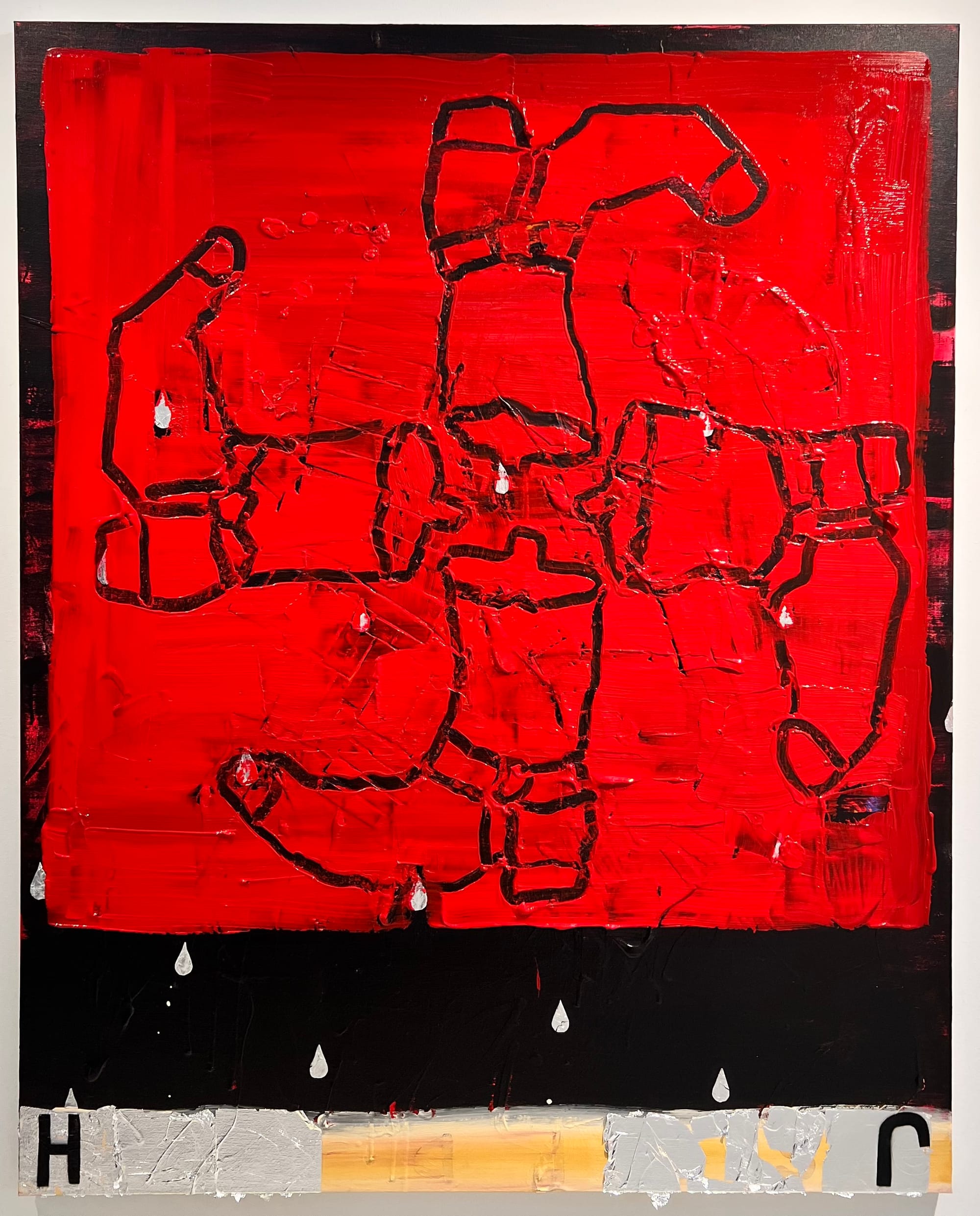
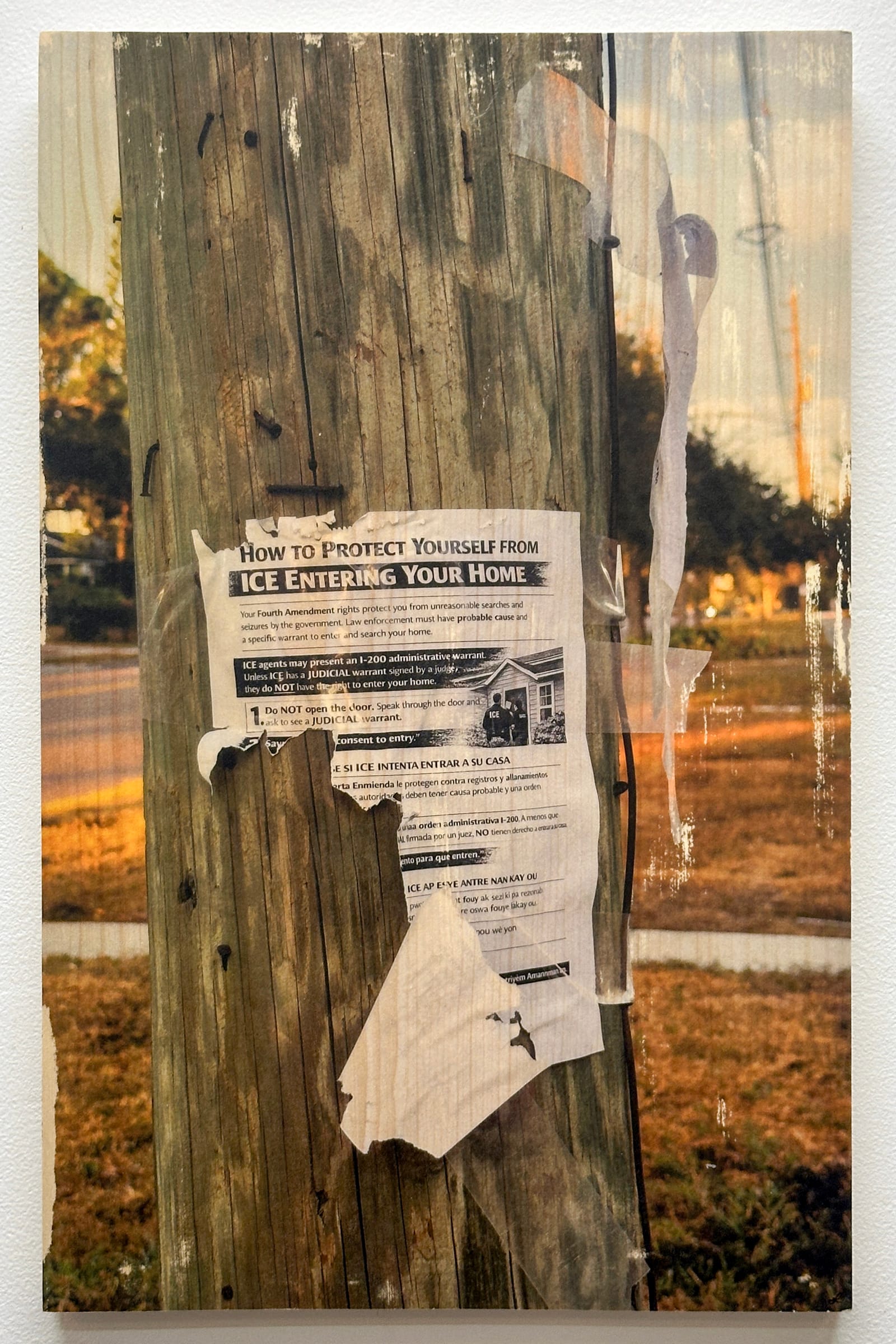
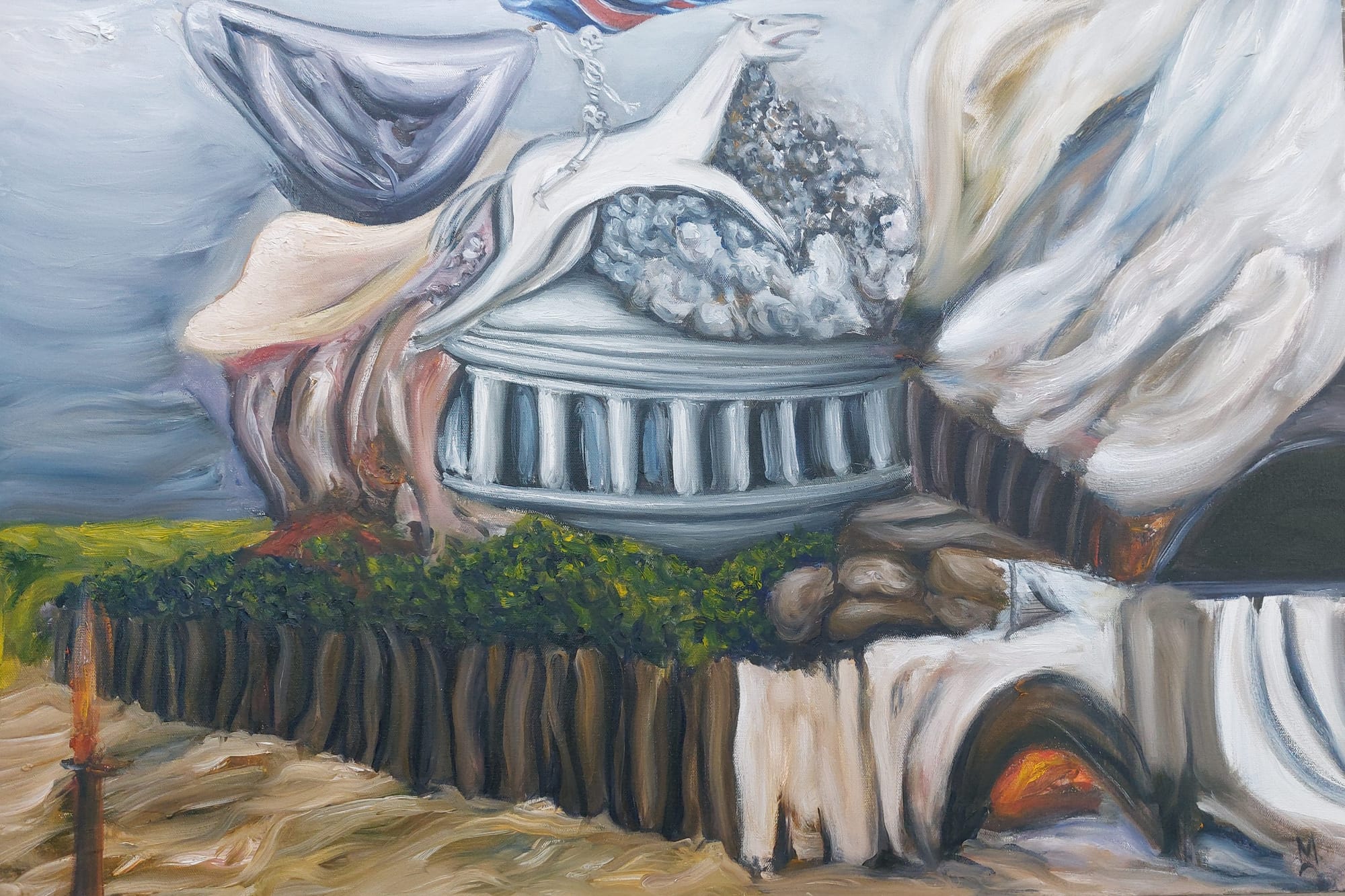
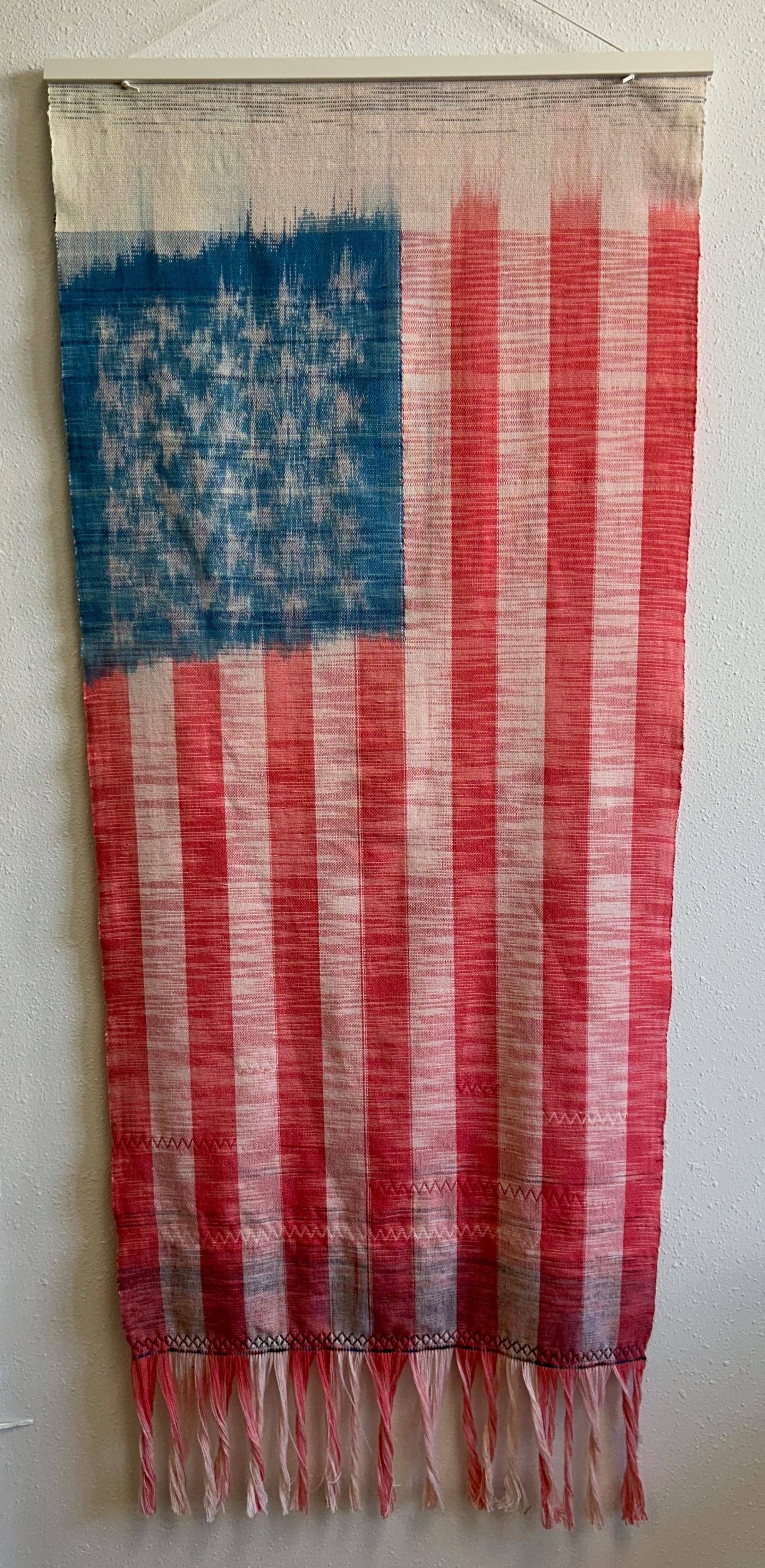
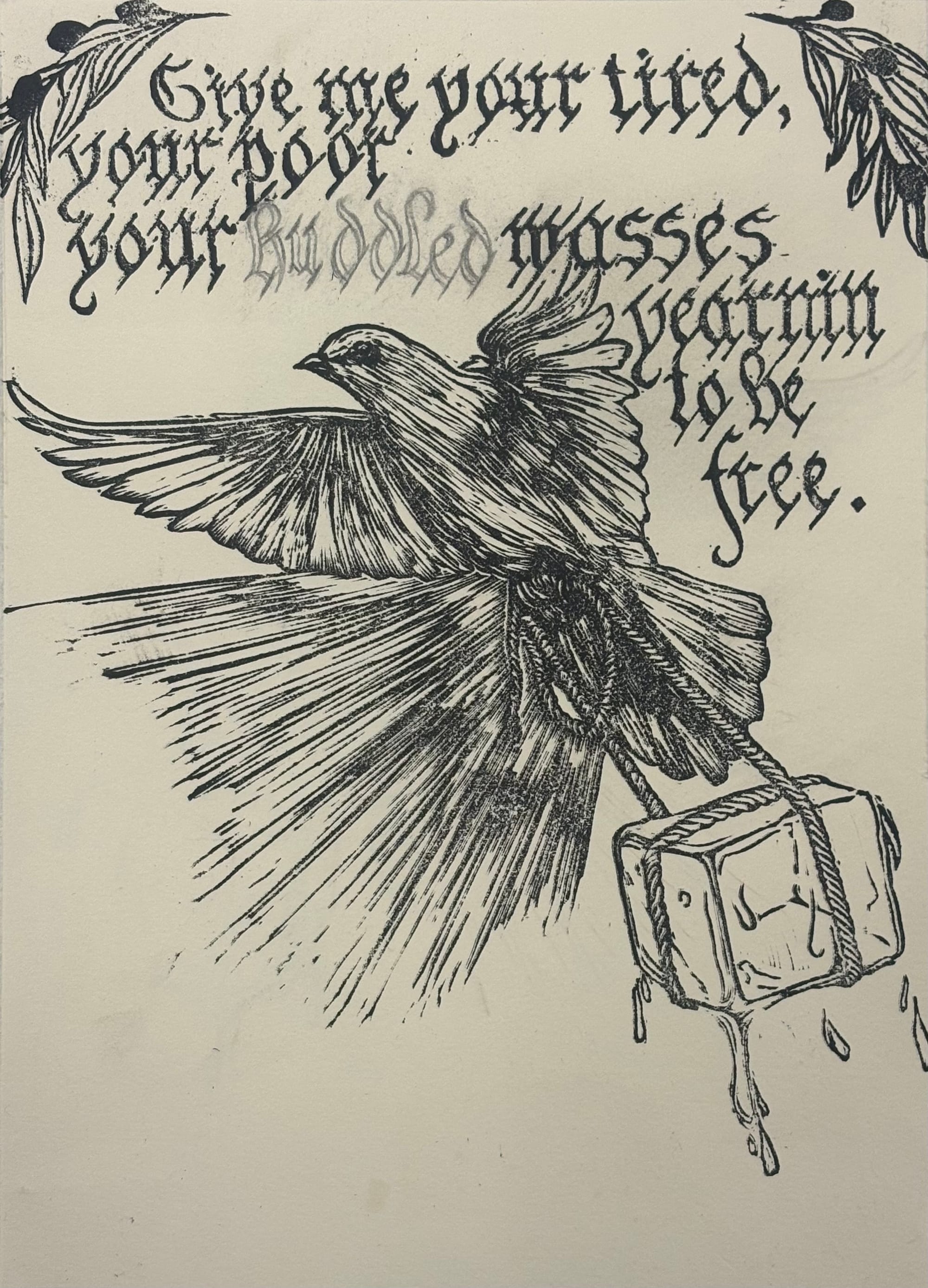
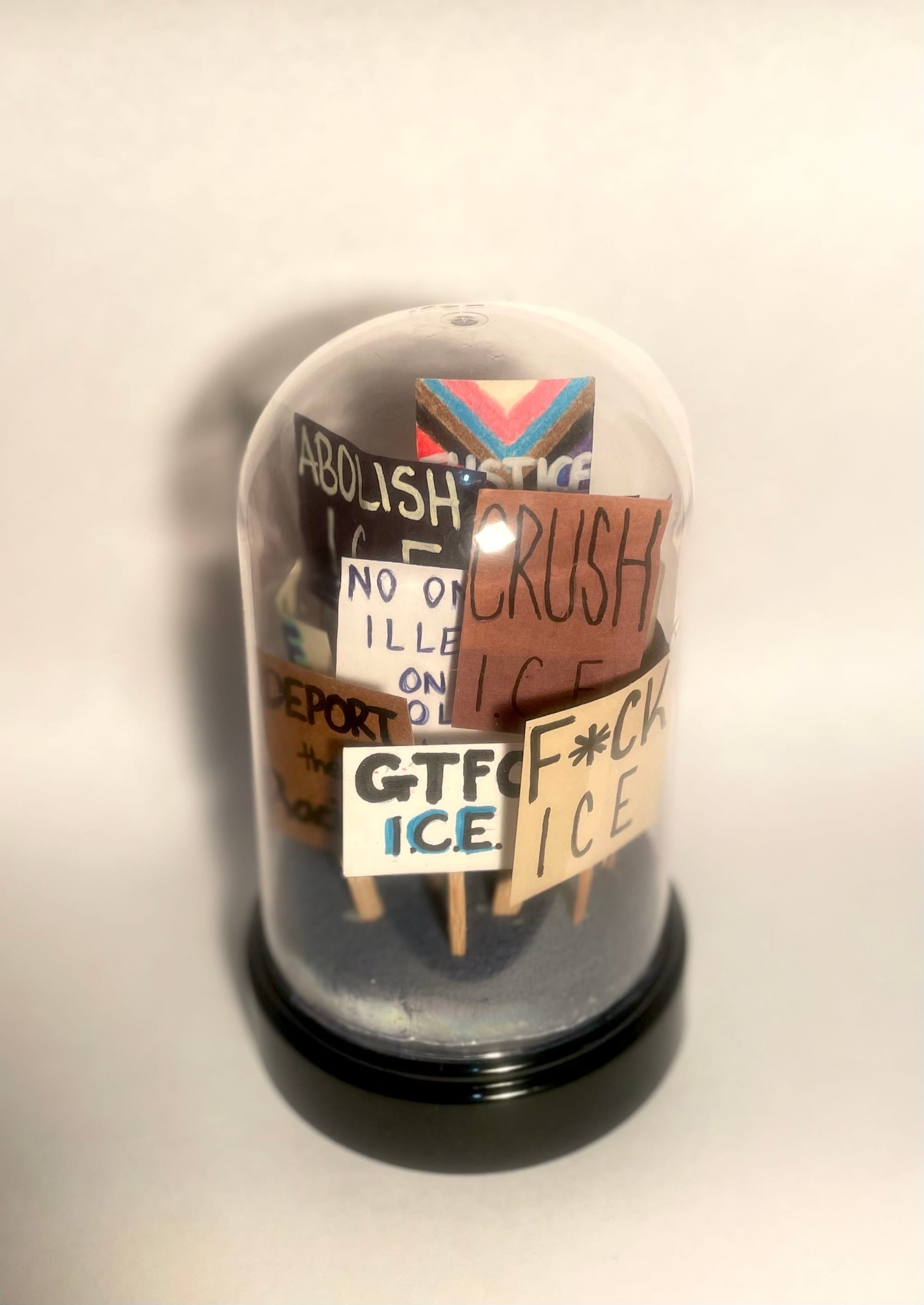
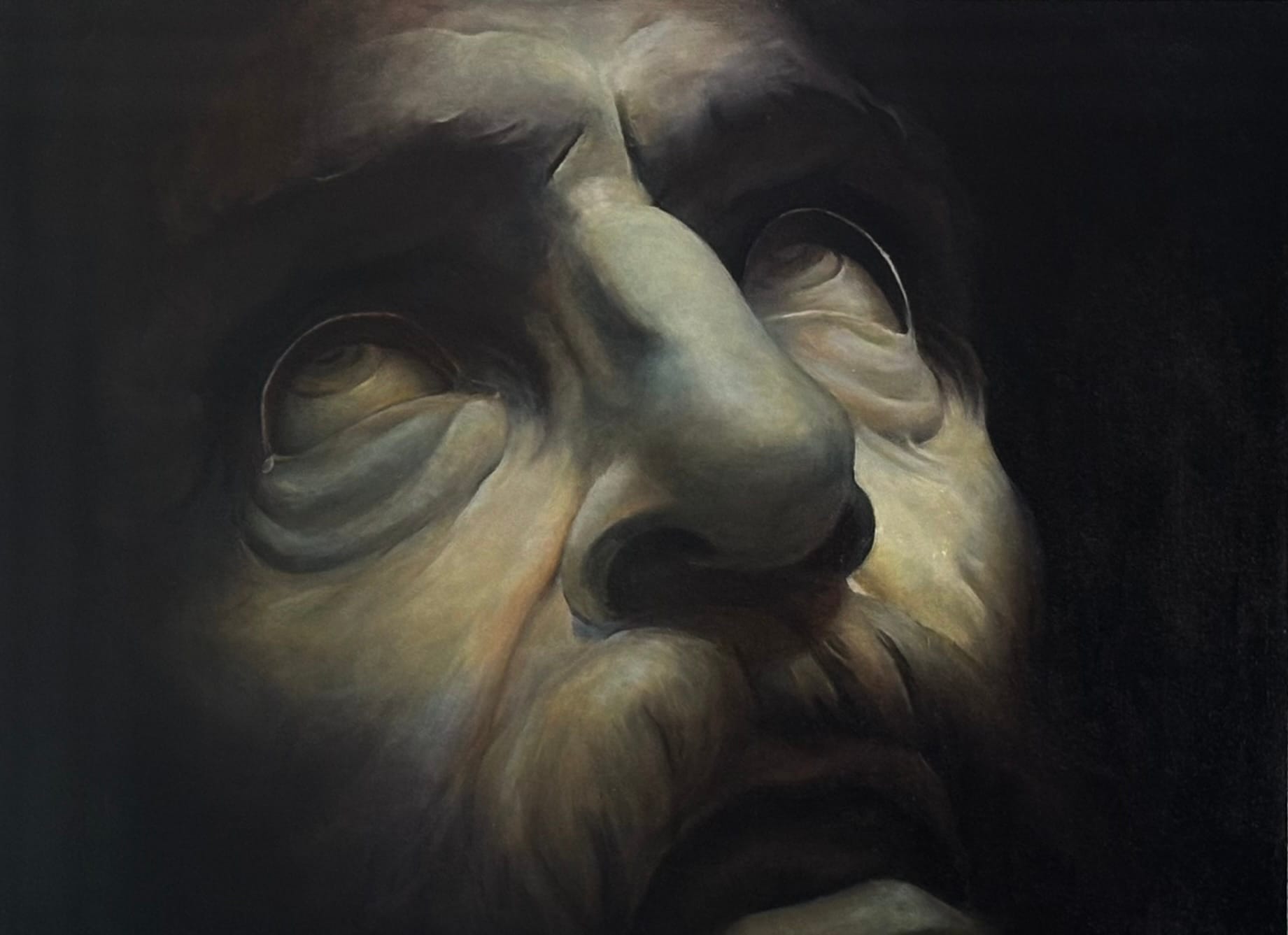
Rite of Spring III: Thaw the ICE is a curated confrontation of "unwarranted and unchecked authority," trading seasonal watercolors for a "space for collective dissent". From 420-piece collages to "Bomb Pops" that symbolize rights melting away, 29 local artists use their work to navigate a climate of "unrest and conflict". In this exhibition, the beauty must be equal to the "ugliness that is all around" because anything less is simply "denial and delusion".
The Anatomy of an Uproar
The tension in the room is palpable, anchored by a juried selection of 38 pieces by 29 artists. While the call for art ensured every artist who submitted had at least one piece included, the gallery is packed to the rafters. The install is intentionally claustrophobic, curated with limited space between works to resemble the physical pressure of a protest march—cacophonous, overwhelming, but united in voice.
Among those leading the charge are Matt Christiansen, Jason Hackenwerth, Melissa Parra-Marrow, Greg Marrow, Kyu Yamamoto, Ted LoCascio, Luci Westphal, Sirideáin Zacchio, Ariana Welsher, and Genevieve Hill-Thomas. We asked these artists for their statements to understand the heart behind the dissent.
For Matt Christiansen, the canvas serves as a mirror to a fractured social landscape. His piece, Introduction to the State, was "inspired by the unrest and conflict people are experiencing at this time". It’s a sentiment that echoes throughout the crowded walls: the feeling that "the correlation between apocalyptic visions and our current state is a feeling/idea being put on display and capitalized upon in a most grotesque manner".
The "grotesque" takes a specific shape in the work of Jason Hackenwerth. In his piece Safe Passage, Hackenwerth utilizes acrylic and silver leaf to navigate a terrifying historical rhyme. He observes that the right-wing Christian conservative movement "so closely resembles previous historical fascist movements around the world that it’s become difficult to recognize the original meaning of the American experiment".
Hackenwerth is quick to clarify his intent, noting the work is "not a judgment on my fellow Americans but an observation of this moment in our history". However, he maintains a strict moral baseline for his practice: "Every painting I make must be equal in beauty to the ugliness that is all around, yet must still tell the absolute truth. Anything less is more denial and delusion".
The Architecture of Fear
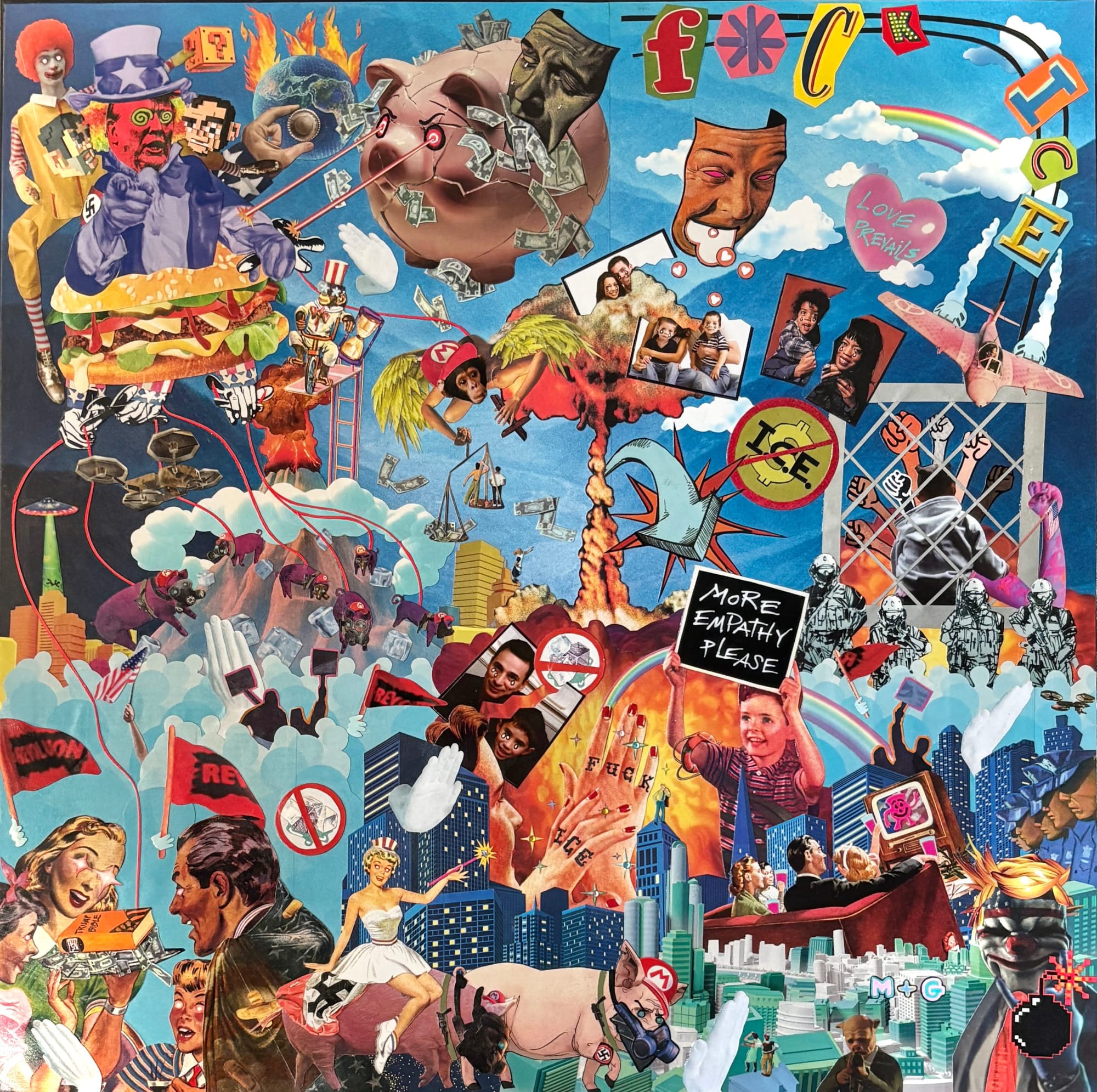
While some artists lean into the abstract, others, like Melissa Parra-Marrow and Greg Marrow, go for the jugular. Their 420-piece analog collage, FCK I.C.E.*, is a visceral takedown of current immigration enforcement.
The Marrows describe the work as a depiction of the "‘Trumpster fire’ of our current policy on immigration, the money and the greed begetting the clown president and his pig army of I.C.E. agents intent on fracturing families in the name of control". Their commentary suggests a community divided between those who "continue to drink the Kool-Aid" and those who "take to the streets choosing empathy over cruelty and humanity over fear".
This sense of fractured humanity is echoed by Kyu Yamamoto. His painting, Chryseis/ Crisis, draws on Greek mythology to express "the shock and hopelessness so many feel, facing the cultural changes in our own state and country". It poses a haunting question for the St. Pete audience: "Is our only hope divine intervention?".
Local Lens, National Crisis
The exhibition manages to make the global feel intensely local. Luci Westphal’s Neighbor's Message (Kenwood, St. Pete) uses a wood transfer of a photograph taken in the nearby Kenwood neighborhood to highlight the erosion of communal trust. "Some neighbors watch out for each other, some neighbors watch each other," Westphal notes, adding that "the message is in what has been taken away, what is missing".
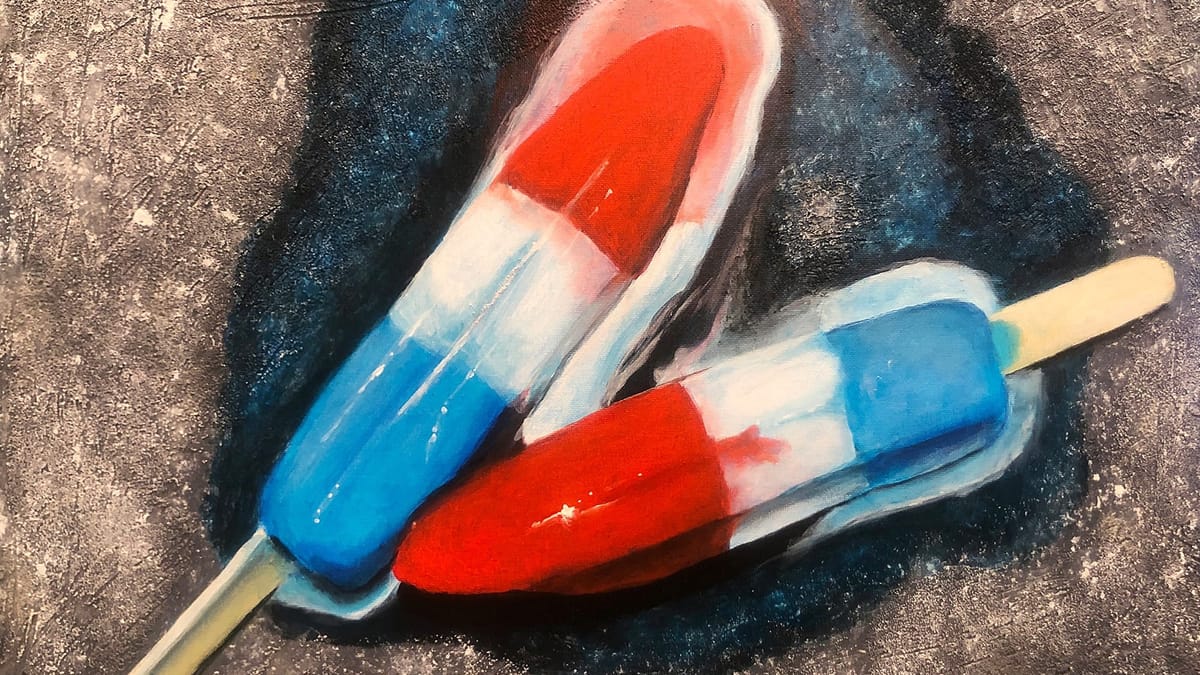
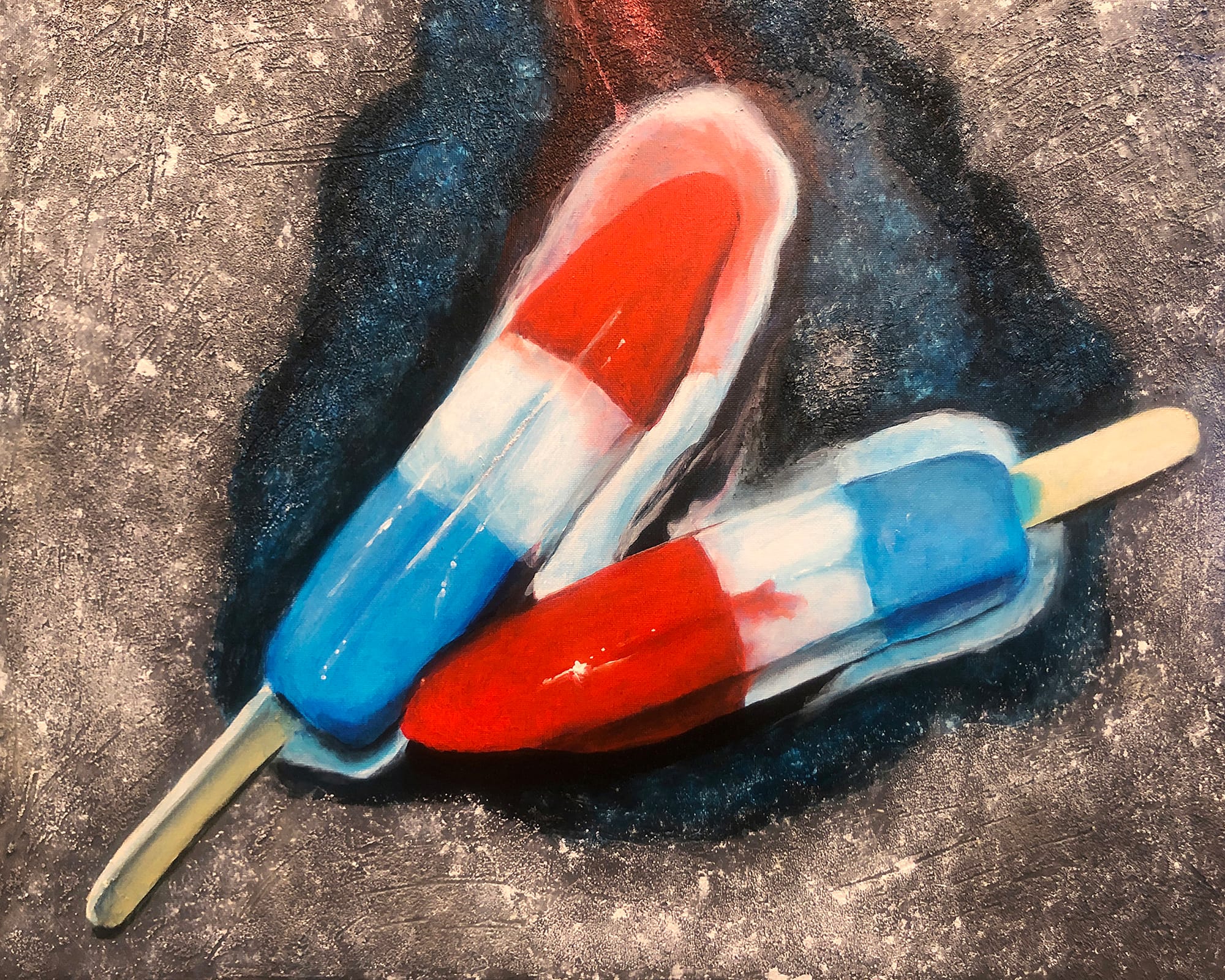
Even the most nostalgic American symbols are subjected to the heat. Ted LoCascio’s Bomb Pops uses the iconic summer treat as a "nostalgic reference to American rights melting away in the current political climate". Similarly, Genevieve Hill-Thomas uses Union/Distress—a resist-dyed and woven cotton piece—to reflect on the American flag. She notes that this textile, an art form "so often relegated to the female domestic sphere," has become a vital symbol "to both rally behind and protest under as we all moved towards a more perfect union".
Why This Matters Now
In a city like St. Petersburg, where the "arts destination" label is often used to sell luxury condos, Thaw the ICE is a necessary reminder of what art is actually for. It isn't just decoration; it is a diagnostic tool for a feverish society.
The Werk Gallery, located within walking distance of the city’s breweries and eateries, is forcing a difficult conversation into a space usually reserved for leisure. It is an invitation to move past "denial and delusion" and face the "absolute truth" of the moment.
As Sirideáin Zacchio’s linoleum relief print Libertas reminds us, "Our humanity will not be lost or frozen by fear". The message of the show is ultimately one of inevitable transition: "Two things will always be true; there will always be hope, and ice melts".
The question remains: once the ice is gone, what will we have left to stand on?
If You Go
Rite of Spring III: Thaw the ICE
Exhibition Dates: March 6 – March 29, 2026
Opening Reception: March 6, 5-9pm
The Werk Gallery
2210 1st Ave S, St. Petersburg, FL 33712
Hours: Wed 12-5, Thur-Sat 12-7, Sun 12-5
The Artist Pictured in this Article
- Matt Christiansen: Exploring the "grotesque" capitalization of apocalyptic visions.
- Jason Hackenwerth: Drawing parallels between current movements and historical fascism.
- Melissa Parra-Marrow & Greg Marrow: A 420-piece collage targeting I.C.E. and immigration policy.
- Kyu Yamamoto: Using Greek mythology to express cultural hopelessness.
- Ted LoCascio: Melting "Bomb Pops" as a metaphor for eroding rights.
- Luci Westphal: Photography documenting the thin line between watching out for neighbors and watching them.
- Sirideáin Zacchio: Linoleum prints asserting that "ice melts" and hope remains.
- Genevieve Hill-Thomas: Textile work reclaiming the flag as a symbol of protest.
- Ariana Welsher: "Speak Up", pens and marker on paper, styrofoam, glue, wood, plastic cloche jar
 Avery Anderson
 Avery Anderson