Orange Blossom Award: Florida Freedom to Read Project
by Avery Anderson
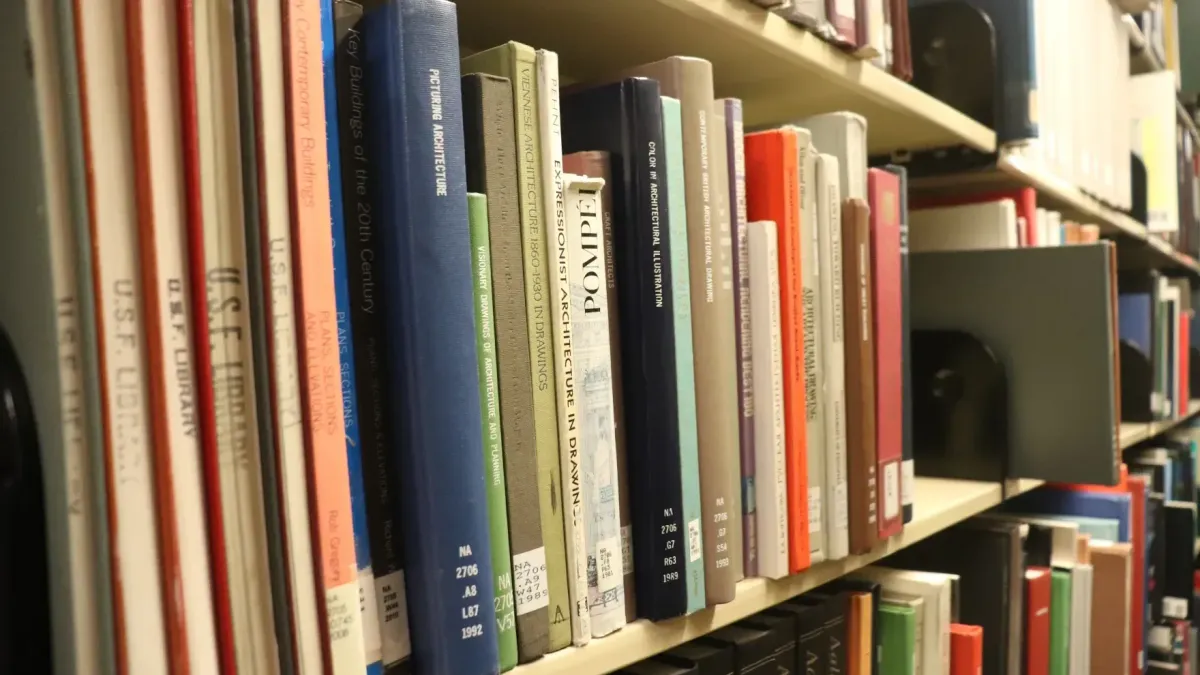
Hillsborough County didn’t just lead Florida in book removals this year.
It led the country.
More than 11,000 physical books were pulled from shelves.
Over 500 unique titles were removed at once.
And 55 books were permanently taken out of circulation—not after review, but after pressure.
That didn’t happen quietly. And it didn’t happen by accident.
As state officials escalated their demands—accusing Hillsborough County Public Schools of violating state law, threatening individuals who provide access to books deemed “pornographic,” and dismissing the district’s established review process as too slow or too complicated—someone had to slow the moment down long enough to document what was actually happening.
That’s where the Florida Freedom to Read Project stepped in.
While others were reacting, they were recording.
While districts scrambled, they were filing public records requests.
While the narrative blurred, they kept timelines clean.
They tracked how:
- Titles previously reviewed and retained were suddenly removed without reconsideration
- Hundreds of books were pulled based on out-of-context excerpts and statewide lists never meant to be mandatory
- Hillsborough alone faced direct threats from the state, raising serious questions about selective enforcement
- Local review committees—and the parents who participated in them—were sidelined overnight
They didn’t sensationalize it.
They didn’t simplify it.
They made it legible.
Their work turned a chaotic moment into a documented case study—one that now serves as a warning to every other Florida district watching closely.
Because the real shift this year wasn’t just the number of books removed.
It was the argument behind it.
The state asserted that school and public libraries are “government speech,” and that restricting access—even to books not legally deemed harmful—was within its rights. That claim doesn’t just reshape shelves. It reshapes who gets to decide what ideas are allowed in public life.
Florida Freedom to Read Project didn’t let that argument pass unchallenged.
They reminded parents that local voices were being overridden.
They reminded educators that their expertise still matters.
They reminded students that access to ideas is not a privilege granted by convenience.
And they reminded the rest of us that quiet censorship is still censorship.
There’s no gala for this kind of work.
No applause break for reading board minutes, compiling lists, and correcting the record in real time.
But when Hillsborough became the example—
they made sure the story didn’t disappear with the books.
Orange Blossom awarded to the Florida Freedom to Read Project
—for vigilance, clarity, and refusing to let process be erased.
What Are the Orange Blossom Awards?
A month-long series from The Arts Passport celebrating the people and organizations whose quiet, steady work strengthens Tampa Bay’s arts ecosystem. No applications. No campaigning. Just community-driven recognition, released daily in December.
Other Orange Blossom Stories:
December 1
 Avery Anderson
December 2
 Avery Anderson
December 3
 Avery Anderson
December 4
 Avery Anderson
December 5
 Avery Anderson
December 6
 Avery Anderson
December 7
 Avery Anderson
December 8
 Avery Anderson
December 9
 Avery Anderson
December 10
 Avery Anderson
December 11
 Avery Anderson
December 12
 Avery Anderson
December 13
 Avery Anderson
December 14
 Avery Anderson
December 15
 Avery Anderson
December 16
 Avery Anderson
December 17
 Avery Anderson
December 18
 Avery Anderson
December 19
 Avery Anderson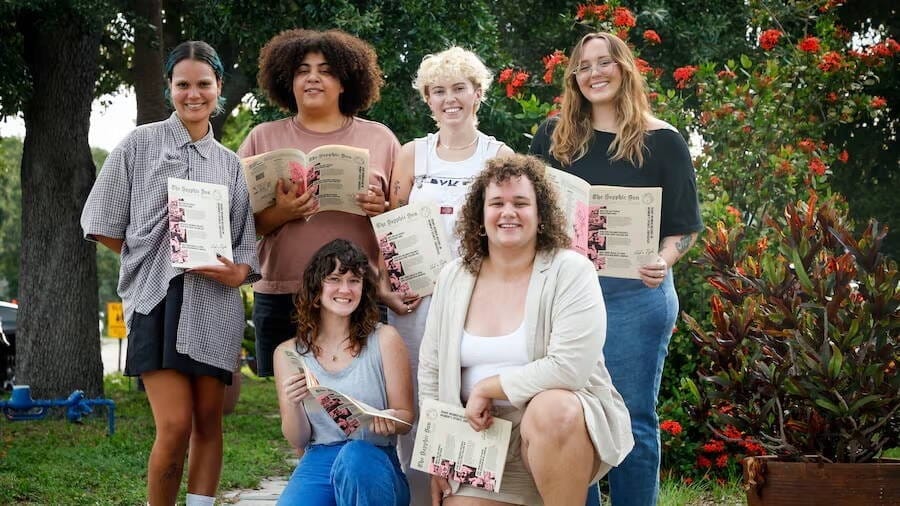
December 20
 Avery Anderson
December 21
 Avery Anderson
December 22
 Avery Anderson